Begin your journey into bespoke figure making and cultivate unique skills!
Custom figures transcend hoarding; they let you realize personal narratives in miniature form.
Whether expert or beginner, use these tips to build, finish, and monetize custom figure projects.
Learn how to pick base figures, sculpt unique additions, and paint for a professional custom-figure result.
- Open with a product brief that covers character design, cost, and sales channel decisions.
- Obtain quality base kits that minimize prep work and maximize alteration flexibility.
- Sharpen painting methods including masking, airbrush gradients, and careful sealing for longevity.
- Use sculpting to add character—new hair, armor plates, and textured surfaces for premium appeal.
- Showcase work on Instagram, Etsy, and collector forums to attract buyers and commissions.
Craft Your Own Action Figures: A Step-by-Step Guide
Begin sculpting custom figures that combine artistic merit with commercial viability for your shop.
- Begin designing with user personas and concept sketches that align with sales goals.
- Gather materials—epoxy putty, sculpt tools, donor figures, paints, and finishing varnishes.
- Model details carefully—faces, fabric folds, armor texture—to elevate perceived value.
- Employ controlled thinning, multiple passes, and selective weathering to enhance realism.
Upgrade Your Collection: Practical Modification Techniques
Want to transform mass figures? Custom modifications can produce collectible items with premium pricing.
Pick a base that supports the changes you envision and sketch modifications to maintain proportions.
- * **Sculpting:** Apply modeling putty in layers, refining detail to ensure strong, collectible parts.
* **Painting:** Consistent priming and thin coatings yield smooth, durable paint jobs for Custom Action Figure sale-ready figures.
* **Accessories:** {Get creative with found objects and spare parts to craft unique weapons and stands.|Repurpose tiny components and kitbash parts to create distinctive props and display bases.|Combine printed parts, metal bits, and kitbashed pieces for specialty accessories.|Use 3D-printed or scratch-built accessories to increase perceived value and uniqueness.|Craft accessories from small-scale materials or print custom items to enhance desirability.|Invent accessories by converting everyday items into miniature props that pop on shelves.|Design removable and interchangeable accessories to offer collectors customization options.|Produce themed accessory sets that pair with figures to boost bundle sales and interest.|
Mass Production Basics for Action Figures
From concept sculpt to digital model, each step ensures the design translates to manufactured parts.
Molded components are painted and assembled, with careful QC to ensure consistent articulation and finish.
Sculpting Legends: The Art of Custom Action Figure Design
From sketch to final seal, iterate patiently and measure against reference to achieve studio-level results.
Key Tools for Professional-Looking Custom Figures
- Micro-cutting tools for crisp edges and safe removal of flash and mold seams.
- Reliable modeling putties that are easy to shape and sand for production-quality parts.
- Ultra-fine sable or synthetic brushes suited to miniature detail painting.
- A sharp modeling blade for clean cuts and profile defining during sculpting.
What Makes Up an Action Figure
The foundational shell is formed from durable polymers or soft vinyl depending on mobility needs.
A refined finish, combined with precise painting, transforms a model into a collectible treasure.
Color, Texture & Seal: Painting Customs for Sale
Preparation is key: remove seams, sand smooth, and prime parts before any painting occurs.
Opt for a palette that supports highlights and shadowing—thin paints layer better for subtle depth.
Apply gradual color build-up with small brushes, preserving details and achieving depth.
Choose a protective topcoat suited to the figure’s materials and visual goals to preserve your work.
Meet the Makers: Top Custom Action Figure Artists Speak
Gain tips and workflow insights from artists who successfully transition hobby work into a business.
Join the Custom Figure Community!
Calling all enthusiasts—showcase your classic and custom figures in community showcases and contests.
Be part of a movement that celebrates creativity—share dioramas, modifications, and collector tales.
- Find tutorials and mentor feedback to improve sculpting, painting, and market presentation.
- Take part in community challenges to grow reputation, polish skills, and be noticed by buyers.
Whether you’re a veteran or a beginner, find support, feedback, and camaraderie among fellow makers.
Manufacturer Selection Guide for Custom Figures
Choosing a factory requires vetting sample pieces, checking tolerances, and comparing material specs.
- Research factory portfolios to identify experience with articulation, paint ops, and small-batch runs.
- Pay attention to scale, pose accuracy, and joint tolerances when evaluating samples.
- Select vendors who use materials that balance cost, look, and longevity for collector markets.
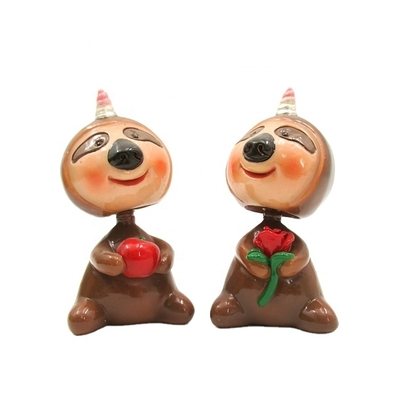
A trusted manufacturer supports scale-up and maintains the high finish collectors expect.
Comments on “Bespoke collectible design Exclusive Collector Hero Figurine”